This service is currently not available. Please try again later.
08/07/2026
Cruising | Aboard
DISCOVERY Yachts: How Owners Can Contribute to Ocean Science While Cruising
Could your next voyage advance ocean conservation? Discover how superyachts are becoming platforms for marine science.
When people think about the role of a superyacht, exploration usually comes to mind. Yet increasingly, exploration is taking on a second meaning.
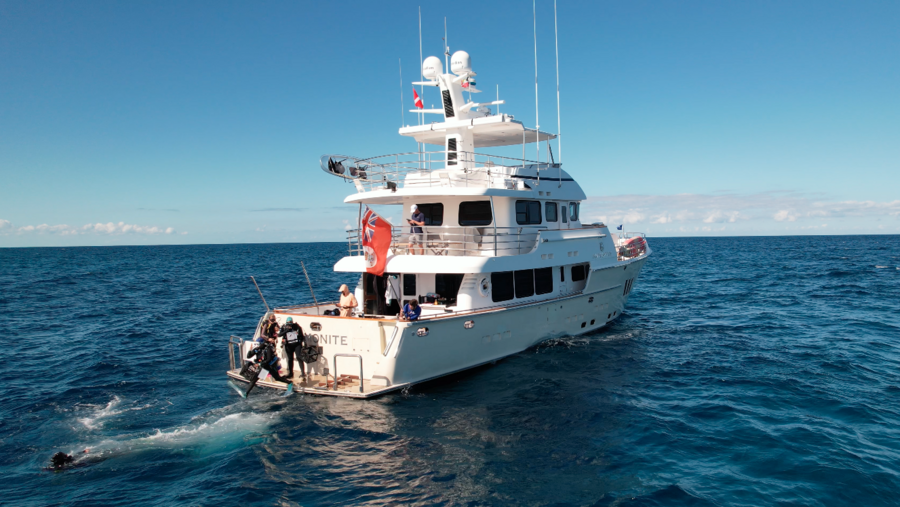
Across the world, owners are beginning to discover that their yachts can contribute far more than memorable journeys. They can become valuable platforms for scientific research, helping experts better understand the oceans we all depend on.
It is a quiet change that is gathering momentum throughout the superyacht industry.
The rise of the SeaKeepers DISCOVERY Fleet
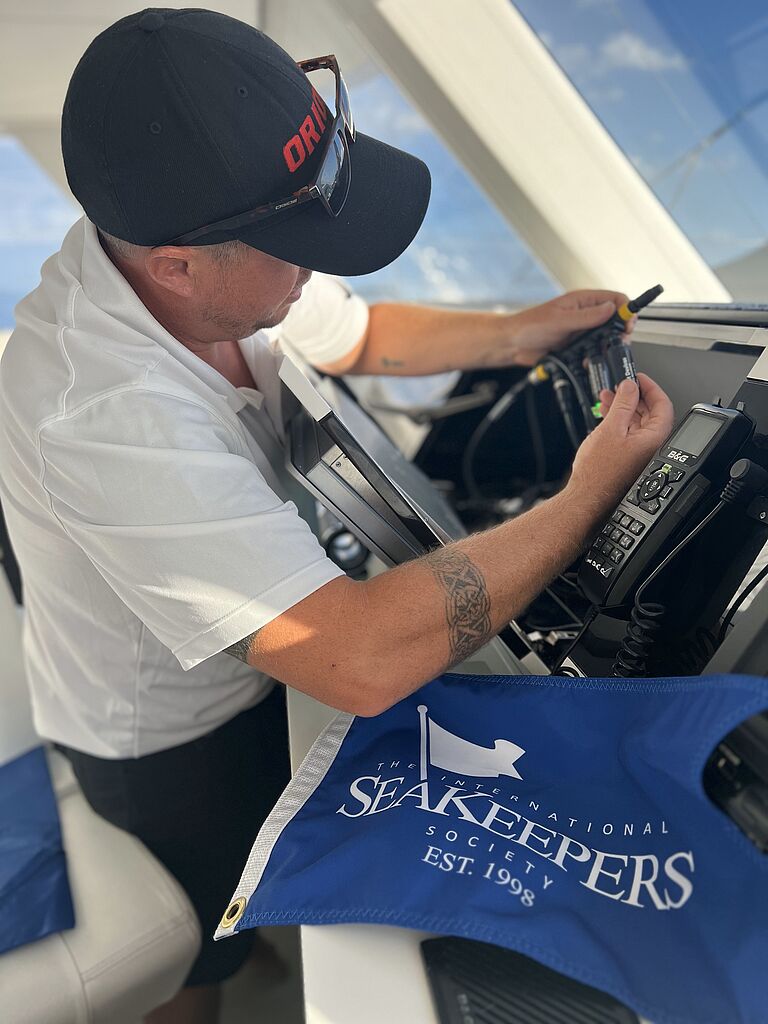
Through initiatives such as The International SeaKeepers Society's DISCOVERY Programme, yachts are supporting everything from:
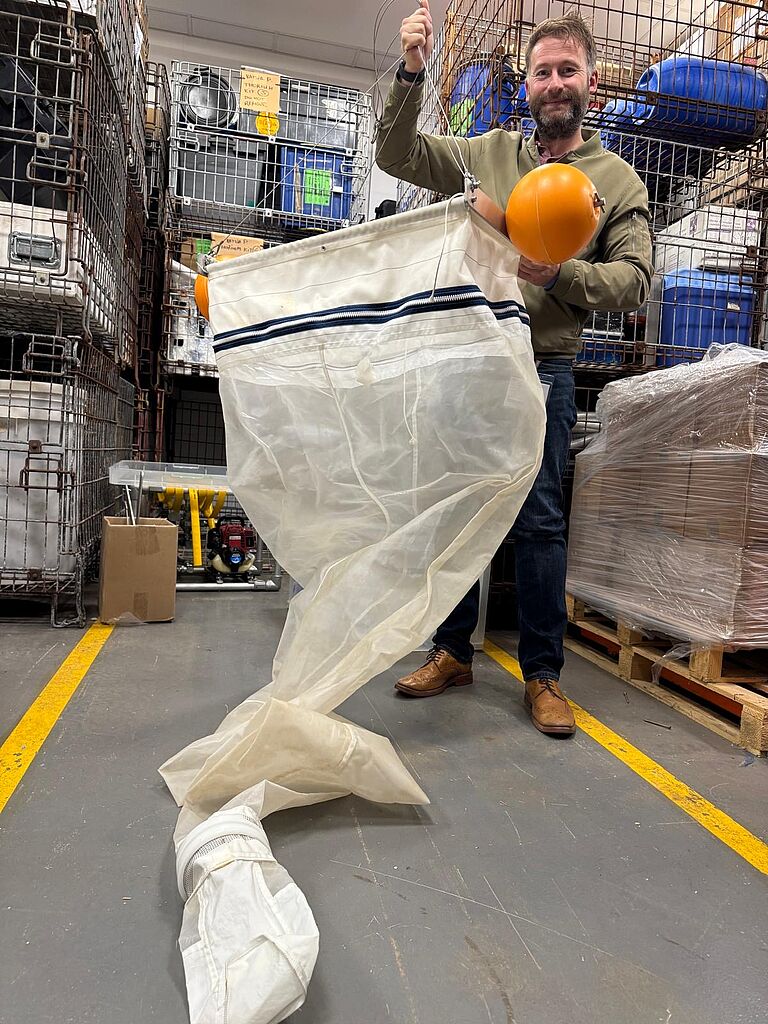
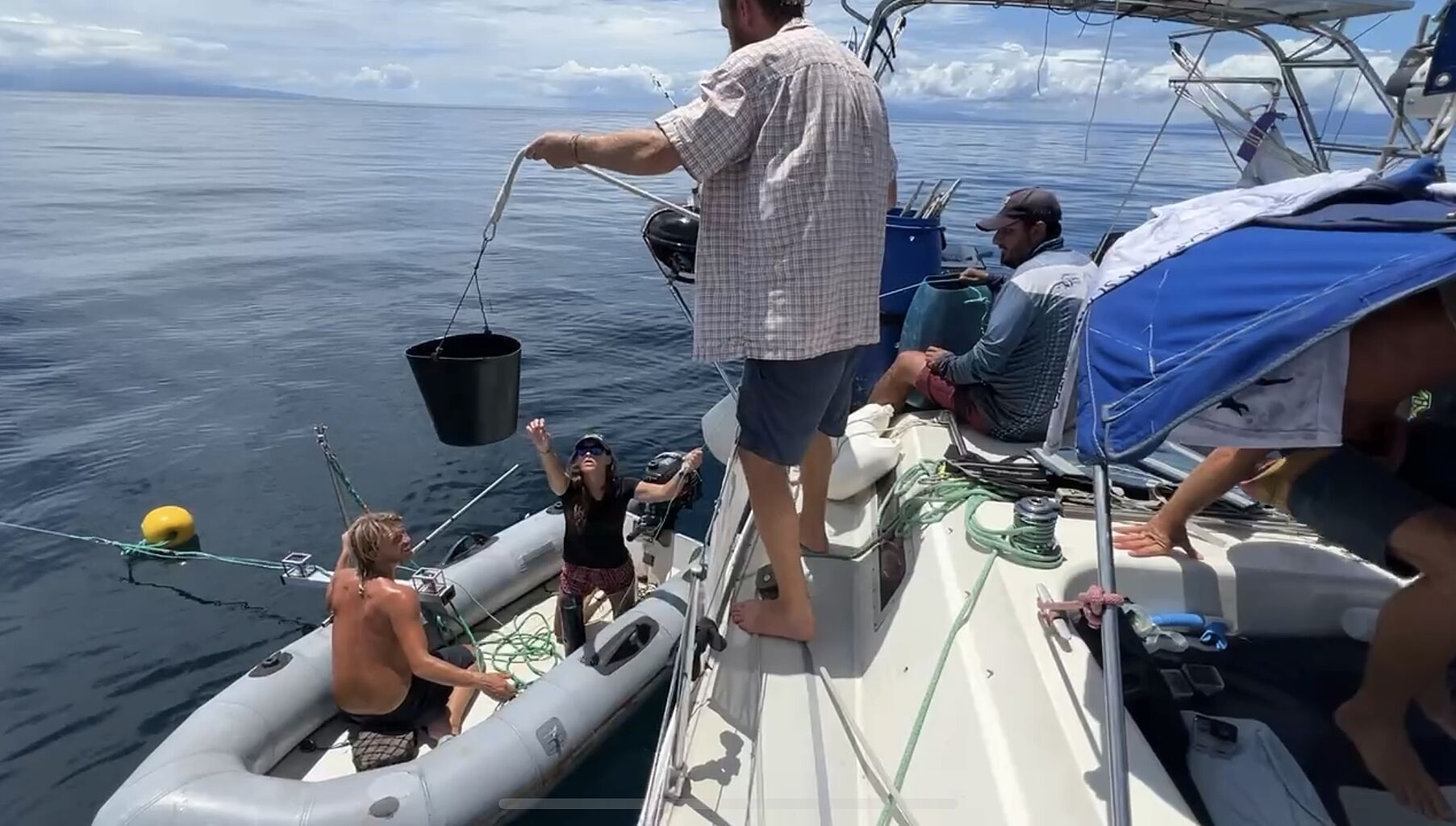
- microplastic sampling
- marine biodiversity research
- seabed mapping
- water quality monitoring
Because superyachts routinely visit remote parts of the world, they are uniquely positioned to collect information that researchers would otherwise struggle to obtain.
Rather than changing an itinerary, many projects simply integrate scientific data collection into voyages already taking place.
DISCOVERY Yachts in action
The DISCOVERY Programme isn't about asking owners to change the way they cruise. It's about making the most of journeys already taking place.
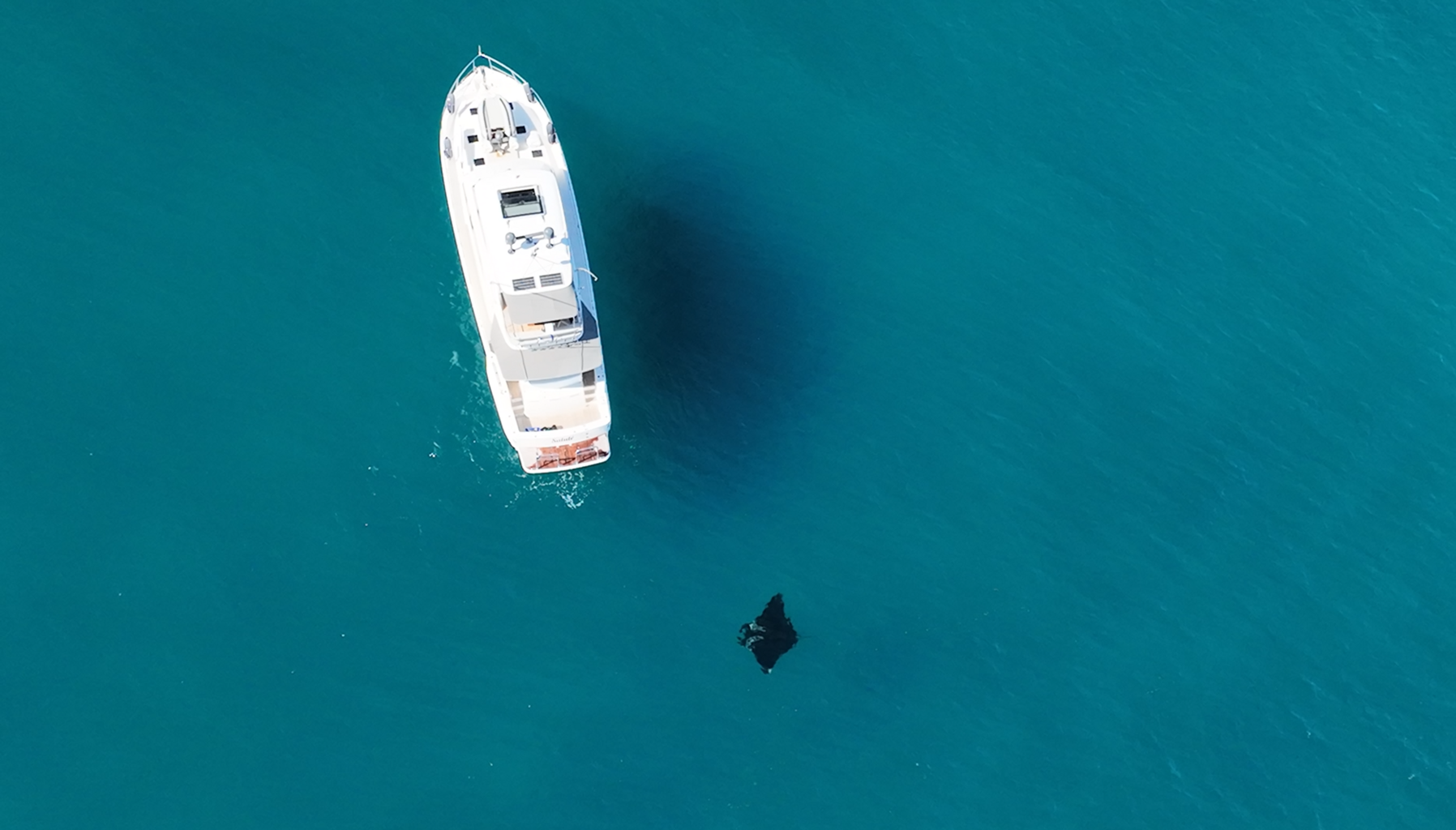
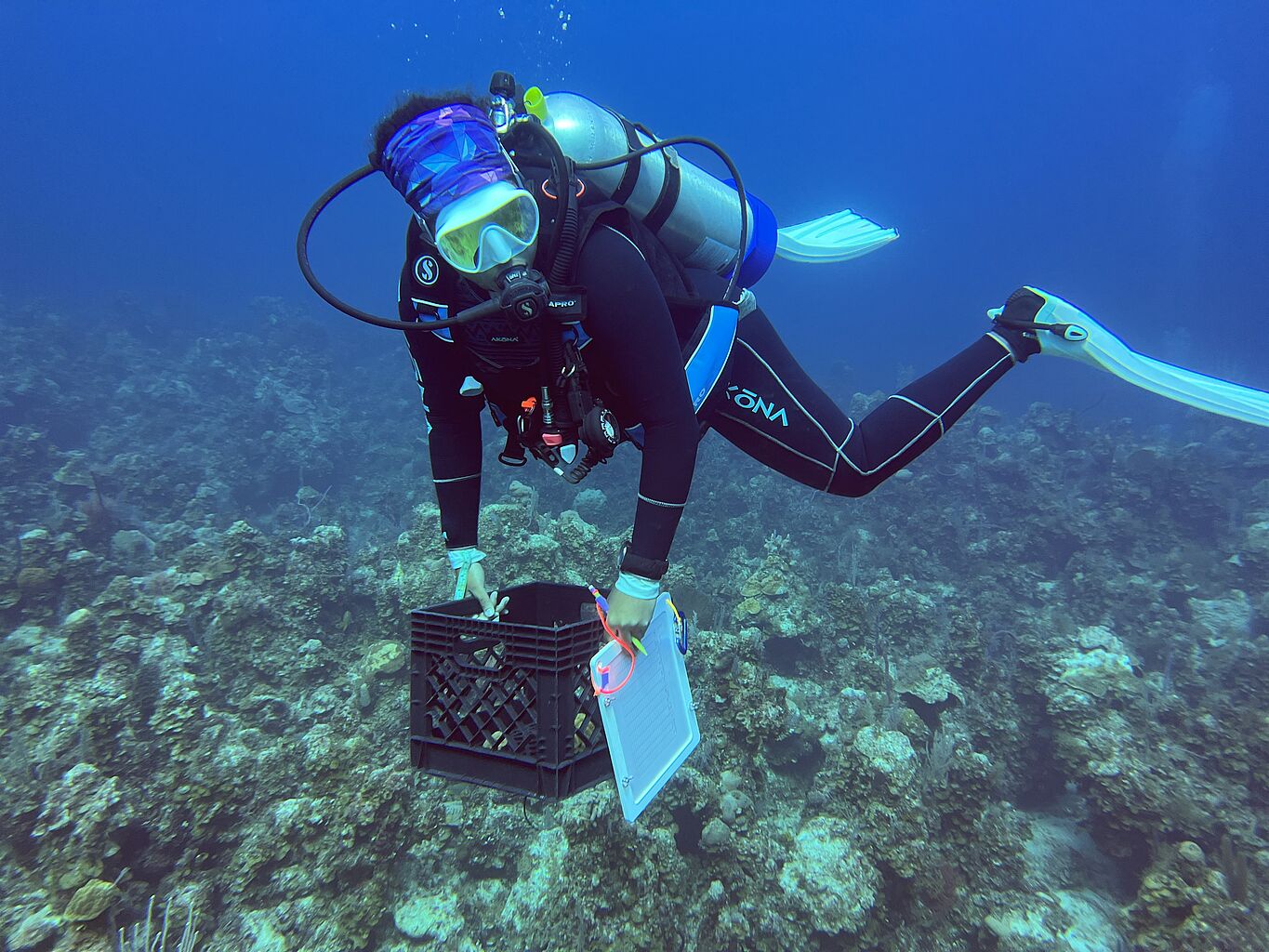
Across the global DISCOVERY Fleet, yachts are supporting an extraordinary range of scientific projects. In Southeast Alaska, motor yacht Blue Pearl has provided a platform for researchers studying humpback whale communication. In the Galápagos Islands, sailing yacht Good Mood IV has supported whale shark research within one of the world's most important marine reserves. Meanwhile, the 67.75m motor yacht Archimedes has assisted underwater biodiversity surveys in Antigua, while other participating yachts have helped map the ocean floor for the Seabed 2030 initiative, monitored manta ray populations in New Zealand, and contributed to coral restoration projects in The Bahamas.
These aren't specialist research vessels. They're privately owned yachts whose owners and crews have chosen to dedicate a small amount of time to projects that deliver lasting scientific value. Whether hosting marine scientists for a dedicated expedition or collecting environmental data while cruising, every voyage has the potential to contribute to our understanding of the ocean.
Adventure with purpose
British adventurer James Ketchell recently demonstrated just how powerful this model can be.
During his 30,000-nautical-mile circumnavigation, James didn't simply complete a world-first challenge. Working through The International SeaKeepers Society's DISCOVERY Programme, he collected microplastic samples for marine pollution research and contributed bathymetric data to the Seabed 2030 Project, helping scientists build a more complete picture of our oceans.
His voyage is a reminder that exploration and scientific discovery don't have to exist separately. They can happen side by side.
Why this matters for owners
Environmental responsibility within yachting is evolving. Alongside alternative fuels, emissions benchmarking and more sustainable operations, owners are increasingly looking at how their yachts can create positive impact.
Participating in scientific research offers an opportunity to contribute to global understanding of the marine environment while continuing to enjoy the freedom of cruising.
It transforms a voyage into something that benefits not only those on board, but future generations of ocean users.
Protecting more than yachts
At Pantaenius, we believe protecting the future of yachting means protecting the oceans that make it possible.
Our partnership with The International SeaKeepers Society reflects that commitment.
Every voyage has the potential to contribute to something bigger, and through initiatives like SeaKeepers’ DISCOVERY Programme, owners, captains and crew can become active participants in expanding our understanding of the world's oceans.
Sometimes the most valuable discoveries happen long after the anchor has been raised.