


This service is currently not available. Please try again later.
03/20/2026
Cruising | Aboard
Family At Sea - Supporting The Next Generation Of Boaters
For many boat owners, some of the most memorable moments afloat are shared with family.
Grandparents introducing grandchildren to the water for the first time. Parents passing on skills learned over decades. Teenagers discovering the freedom that boating brings.
Multi-generational boating has a unique ability to connect people across age groups, creating experiences that simply can’t be replicated on land.
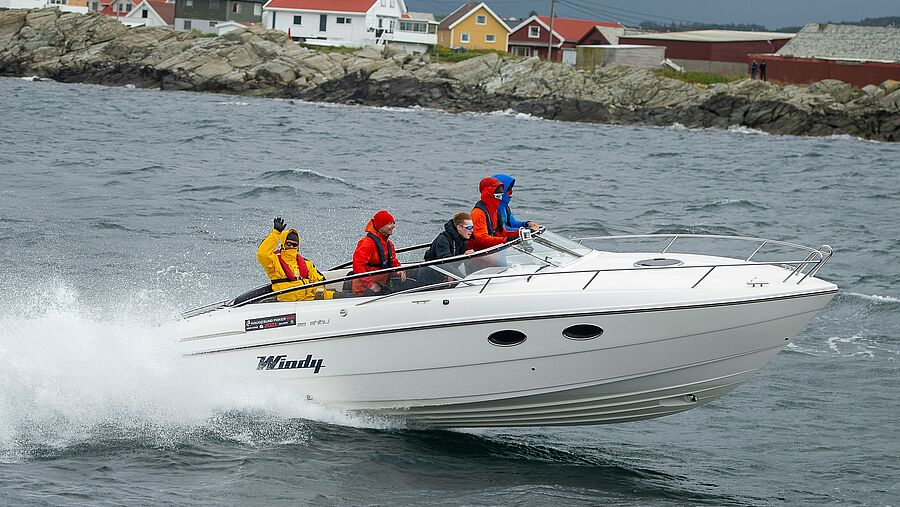
However, having several generations on board also introduces additional considerations. Different confidence levels, varying mobility, and the simple unpredictability of younger crew members mean that planning, communication and safety culture become even more important.
At Pantaenius UK, we speak regularly with owners who see their boats as a place where family stories are created. Through those conversations we are reminded that the most enjoyable boating experiences are almost always the best prepared.The key to those experiences remaining positive is thoughtful preparation and a calm, safety-first mindset. When everyone feels comfortable and secure on board, the focus can remain where it belongs: enjoying time together on the water.
The Human Side of Boating Safety
Boating safety is often discussed in terms of equipment, regulations or weather conditions.
But in reality, the most important factor is human behaviour.
The RNLI launched its lifeboats over 9,000 times in 2024, assisting more than 17,000 people around the coasts of UK and Ireland. Many of those callouts involved recreational boating where small oversights - weather awareness, maintenance issues, or communication failures - developed into larger problems.
Experienced boaters recognise that preparation and awareness make a significant difference. Taking time to plan, check equipment and brief everyone on board helps create a safer and more confident environment for family boating.
When children, older relatives or guests are on board, that proactive approach becomes even more valuable.
Creating a Calm, Confident Environment On Board
The most successful family boating trips are rarely the most ambitious ones. Instead, they are the best prepared. A few simple habits can dramatically improve confidence for everyone on board. This starts with a proper safety briefing - children and guests often feel more relaxed when they understand the boat and their surroundings.
Before leaving the marina or anchorage, take a few minutes to explain:
- Where lifejackets are stored and how they operate
- How to move safely around the deck
- Where to sit whilst underway
- What to do if someone falls overboard
- How to make an emergency mayday call
It may feel routine to experienced boaters, but for newcomers it creates reassurance.
Wearing lifejackets should be the norm - for children especially, lifejackets should simply be part of boating, not an optional extra. Research into maritime incidents consistently shows that lifejacket wear significantly increases survival rates in water emergencies, highlighting their importance even in seemingly calm conditions. In addition, when children grow up seeing lifejackets as standard equipment, safe behaviour becomes second nature.
Establishing a “watchful eye” culture is another simple but effective practice. Ensuring that someone is always aware of where children are on board helps avoid assumptions, particularly during busy moments such as anchoring or docking.
Designing the Day Around Your Crew
Multi-generational boating works best when the day is shaped around the people on board.
Experienced skippers often adjust their plans in subtle ways - for example:
- Keep passages shorter - children and older guests tend to enjoy boating more when passages are broken into manageable legs.
- Choose sheltered anchorages - calmer water makes swimming, paddleboarding and relaxing on deck far more enjoyable for everyone.
- Plan activities for different ages - snorkelling, exploring the shoreline, fishing or simply jumping off the swim platform can keep younger members engaged.
When everyone has something to look forward to, the entire atmosphere on board becomes more relaxed.
Preparing the Boat for Family Life
Many owners make small adjustments that significantly improve safety and comfort. These might include:
- Adding non-slip surfaces on frequently used steps
- Installing additional grab rails
- Creating clear “safe seating” areas for children whilst underway
- Keeping decks uncluttered to avoid trip hazards
- Ensuring adequate warm clothing is available onboard (carry spare clothing items just in case)
- Keep adequate food and drink onboard so nobody goes hungry or thirsty, or worse, becomes dehydrated.
Regular maintenance also plays a crucial role. In fact, machinery failure caused by poor maintenance is one of the most common reasons lifeboats are called out, according to RNLI safety guidance. Routine checks before the season begins can prevent issues later and ensure that time on the water remains focused on enjoyment rather than unexpected problems.
Teaching the Next Generation
Perhaps the most rewarding part of family boating is seeing the next generation develop confidence at sea. Children who spend time on boats often gain valuable life skills such as respect for weather and nature as well as situational awareness, problem solving and confidence with practical seamanship.
Encouraging children to take part in simple tasks, for example helping with lines, spotting navigation markers, or learning basic knots, turns boating into a shared experience rather than a passive one. Those early moments often shape a lifelong connection with the sea and help build the skills and confidence that sustain boating for future generations.
A Shared Responsibility
Ultimately, multi-generational boating works best when everyone on board understands that safety is a shared responsibility. The skipper sets the tone, but a strong safety culture is created through everyday habits with clear communication, good preparation prior to departure, respect for the conditions and a general sense of awareness as a group.
These small actions create the environment where families can truly relax and enjoy being on the water.
The Moments That Matter
The moments that stand out most in boating are rarely about speed or distance travelled - instead, they are the quieter ones. These may include:
- A child steering for the first time.
- A grandparent teaching a knot passed down through generations.
- A calm anchorage at sunset with the whole family gathered on deck.
Boating has a unique ability to bring people together. With the right preparation and a responsible approach to safety, those shared moments can continue for generations.
Supporting owners in enjoying their boats safely and confidently - today and for the generations that follow - remains at the heart of what we do at Pantaenius UK.