



This service is currently not available. Please try again later.
06/12/2025
Prevention | Maintenance & Technology
Preparing Your Boat for Sale: Refurbishment Tips, Insurance Consideration & Practical Checklist
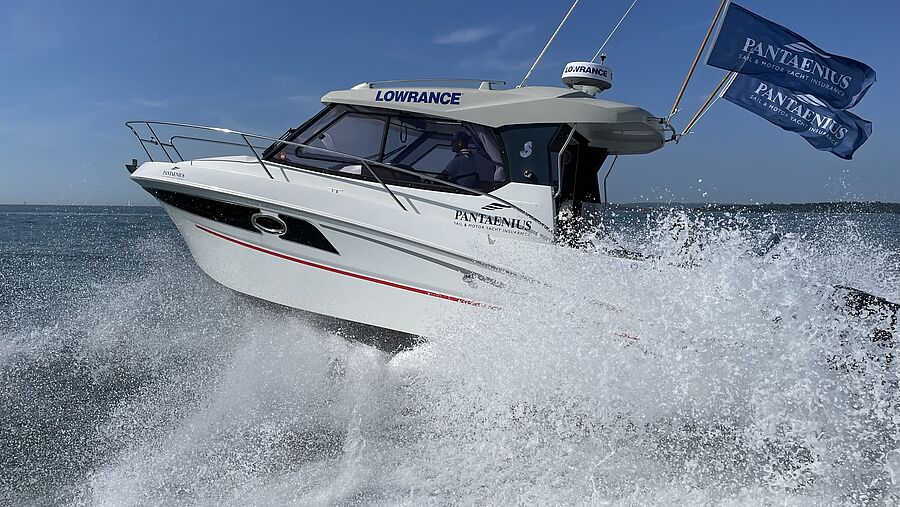
Selling a boat isn’t just a transaction—it’s the final chapter of one journey and the start of another. Whether you're upgrading to a new vessel or simply changing course, preparing your boat for sale takes more than just a listing. At Pantaenius UK, we’ve recently been through this process ourselves, handing over our Antares to another Pantaenius office—so we know just how valuable a little preparation can be.
From refreshing fittings to reviewing your insurance, here’s a practical guide to help you make your sale smooth, transparent, and successful.
1. Start with a Thoughtful Refurbishment
Before you list your boat, take a close look at its condition through a buyer’s eyes. A few simple refurbishments can go a long way in increasing perceived value and speeding up a sale.
Areas to focus on:
- Hull and deck: Clean, polish and inspect for any cracks or signs of damage.
- Interior: Tidy cabins, fix minor faults (loose handles, squeaky doors) and air out soft furnishings.
- Engine and systems: Ensure the engine is running smoothly, check oil and filters, test electrics, and service key components like though hull fittings.
- Safety gear: Replace out-of-date items and make sure everything is presentable and usable.
- Paperwork: Ensure manuals, guarantees, service history, and receipts are all organised in a folder for the buyer. Also proof of ownership and documents relating to the VAT status of the vessel.
Even small details—like adding fresh ropework or updating old decals—can make your boat stand out.
2. Consider Your Insurance
Insurance is often overlooked in the sales process, but it plays a key role in ensuring a smooth and risk-free handover.
Key points to check:
- Is your insurance policy valid while the boat is listed for sale? At Pantaenius UK, your cover can usually remain active during the listing period, as long as we’re informed of any changes in use or storage.
- Will you be offering sea trials?
Make sure insurance remains in place if you plan to offer sea trials. Confirm with your insurer that this usage is covered.
- When does the policy need to be cancelled?
You should let your insurer know as soon as the sale is complete. Most will cancel the policy and may offer a refund of any unused premium, depending on the terms and whether any claims have been made. If you’re buying a replacement boat, your existing insurer can often help arrange cover quickly and if the buyer is looking for insurance, it can be helpful to go with an insurer who already knows the boat and its history.
3. Create a Seller’s Checklist
Having a clear checklist helps ensure nothing is missed during the sale. Here's a handy template:
- Clean and prepare the boat inside and out
- Complete basic servicing (engine, batteries, systems)
- Inspect, service and update safety gear
- Gather all paperwork (registration, VAT status, service logs, manuals)
- Take high-quality photos
- Decide on pricing and list with clear, honest details
- Confirm insurance cover during listing and sea trials
- Plan for handover—keys, documents, and any included equipment
- Notify your insurance provider once the sale is complete
4. Add Value Through Transparency
Buyers value honesty. Providing a comprehensive and truthful overview of your boat’s condition, service history, and any previous damage or repairs helps build trust—and increases your chances of a quick sale.
If you're unsure about how to present your boat in the best possible light, a marine surveyor or broker can provide guidance or even help manage the listing.
Selling a boat doesn’t need to be complicated - but it does need to be considered. With the right preparation, clear documentation, and sound insurance advice, you can turn your listing into a successful and satisfying handover.