



This service is currently not available. Please try again later.
05/13/2025
Insurance Insights
Seven Tips for a Smooth Insurance Claim Process
Why do some insurance claims run smoothly, while others turn into a source of stress?
In this article, we share seven practical tips every boat owner should know to help avoid delays, reduce confusion, and make the claims process as straightforward and stress-free as possible.

Why do some claims go smoothly while others don’t?
Picture this: two boats, moored side by side in a marina, both showing the effects of a turbulent November storm after colliding with the pontoons. One boat owner, Mr A, speaks highly of the smooth and efficient process that followed when making his insurance claim. The other, Mr B, had a very different and less satisfactory experience.
So, what made the difference?
These seven tips could have turned Mr. B’s frustrating experience into something far more manageable. Here’s what every boat owner should know about navigating the claims process.
Know the goal of the claims process
At its core, the purpose of an insurance policy is to help return your boat, as reasonably as possible, to its pre-incident condition by covering the cost of necessary and reasonable repairs.
While a complete, exact restoration may not always be achievable, this is the objective the claims process is designed to support.
Keeping this in mind can help manage expectations and guide your approach from the outset.
Take an active role in the repairs
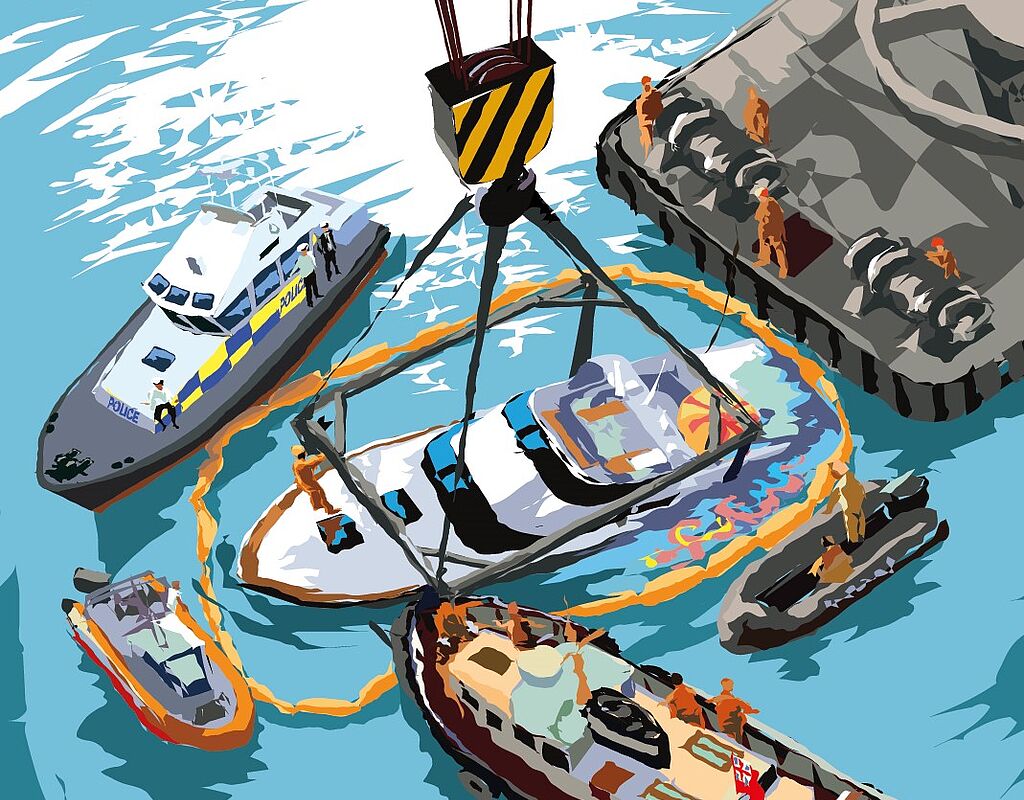
Who is responsible for managing repairs? It’s an important consideration. While some insurers coordinate the entire process, this approach may not always be suitable for more individual or high-value boats. By staying involved, owners can help ensure repairs reflect their preferences, timelines, and any other planned maintenance. There’s no need to step back; insurers, surveyors, and repair professionals are there to guide and support you throughout.
Understand the surveyor’s role
The surveyor plays a key role in independently assessing the nature, cause, and extent of the damage.
Their expertise helps inform how the repairs should be carried out and whether the proposed costs are reasonable.
It’s important to note that while the surveyor provides valuable technical input, they do not decide whether the damage is covered under your policy, that decision rests with the insurer.
Be realistic about repairs
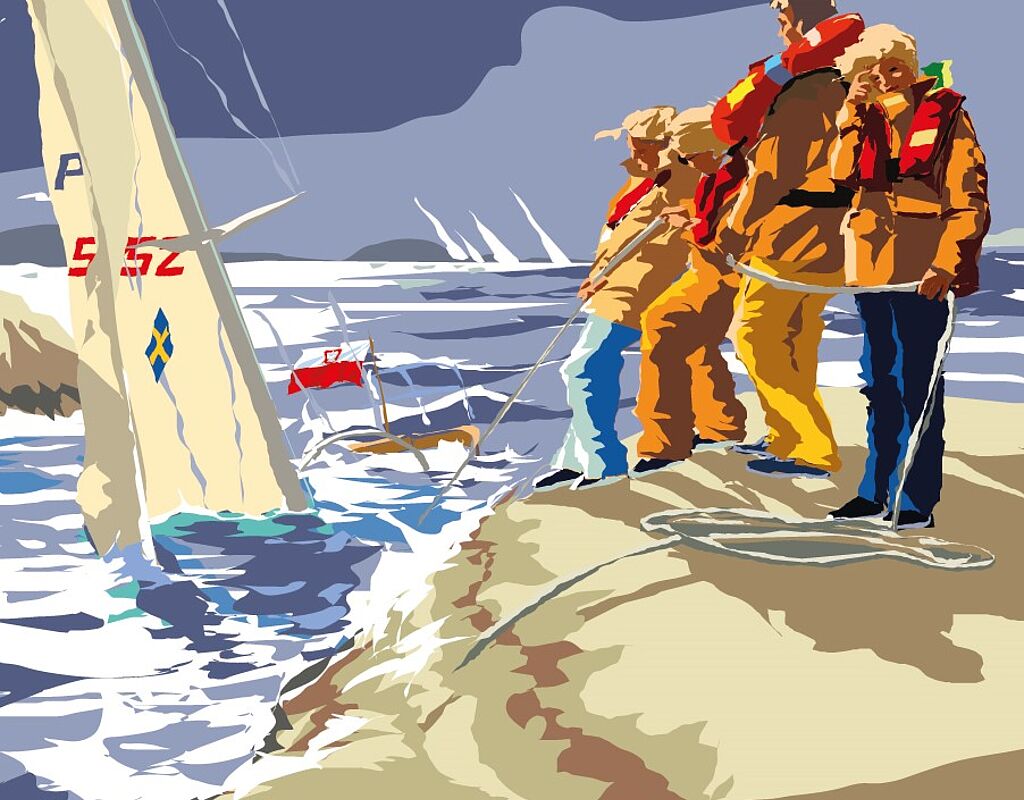
Insurance is designed to support necessary and reasonable repairs, with the aim of returning your boat as closely as possible to its pre-incident condition.
What is considered “reasonable” can vary depending on the circumstances, so having a clear understanding of what’s typical in different damage scenarios can help manage expectations and avoid potential frustrations during the process.
Know your financial contribution
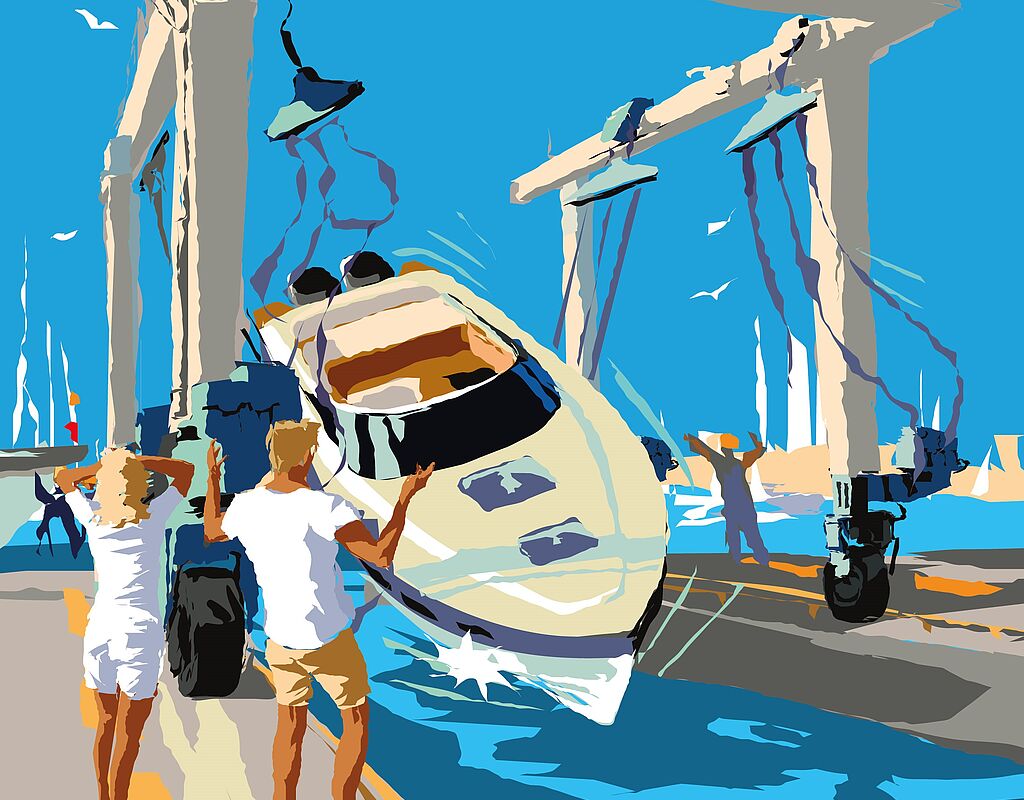
In many cases, boat owners are required to contribute to repair costs, most commonly through an excess payment made before insurance cover applies. Your policy may also include provisions such as ‘Betterment’ or ‘New for Old’ deductions, where a contribution is required if the repairs or replacements result in an improved condition compared to before the incident. Being aware of these terms is key to understanding the full financial implications of a claim.
Understand your responsibilities as an owner
As a boat owner, you have a duty to act prudently much like you would if you weren’t insured.
This means taking reasonable steps to minimise further damage or loss after an incident occurs.
Whether it’s arranging temporary repairs or securing the vessel, you may need to incur some reasonable expenses to protect your property.
Taking these actions not only fulfils your responsibilities under the policy but also supports the overall claims process.

Know your policy and its limits
The type of insurance policy you hold makes a difference.
An 'All Risks' policy typically requires you to demonstrate that an incident occurred during the policy period, while an 'Insured Perils' policy requires the incident to be caused by a specifically listed peril.
It’s important to familiarise yourself with your policy’s terms, conditions, exclusions, and warranties.
Some types of loss such as those resulting from wear and tear or pre-existing defects may not be covered. Understanding these details helps ensure you’re making informed decisions about your cover and your claim.
The right policy makes a big difference.
Final thoughts
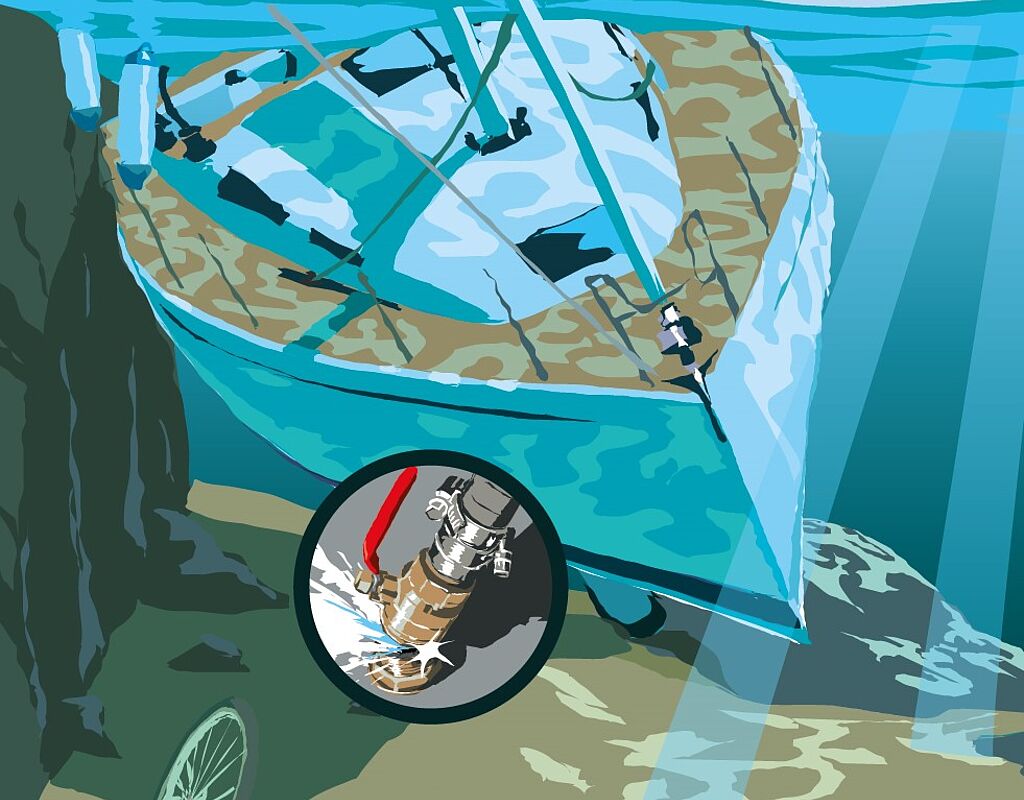
No one wants to make a claim—but if you do, being informed, prepared, and proactive can make all the difference. At Pantaenius, we’re here to support you every step of the way, with a 24/7 emergency claims helpline that’s entirely manned in-house. So, when you need us most, you're speaking directly to an experienced team who understand boats and can provide the support you need right when you need it.
With the right approach and the right insurance, you can handle whatever the sea throws your way.