This service is currently not available. Please try again later.
06/23/2026
Insurance Insights
Six Claims Scenarios Every Owner Should Understand
Boat insurance is rarely something owners think about day-to-day - until something goes wrong and they need to rely on their policy. When that moment arrives , understanding how boat insurance claims typically work can make the process clearer, faster and far less stressful.
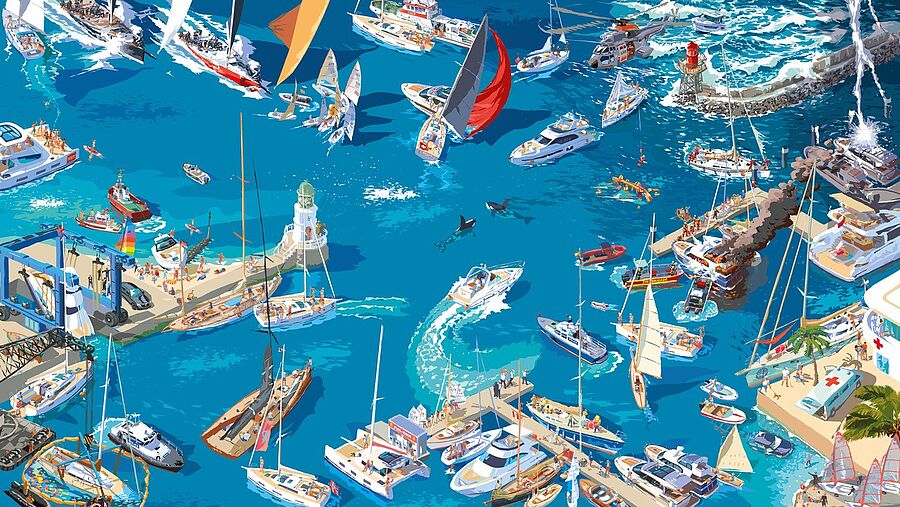
While every policy is individually underwritten and incidents vary, certain types of incidents arise more frequently than others. Understanding how these situations are typically handled, and how to prepare for them, can help owners protect both their boat and their peace of mind.
The following scenarios reflect some of the most common claim situations recreational boat owners encounter.
1. Theft
Theft remains one of the most common causes of boat insurance claims, whether it involves outboard engines, tenders, electronics, personal equipment or, in rarer cases, entire vessels.
In the case of theft, how the boat and its equipment were secured - and whether items are correctly declared on the policy - play an important role in how a claim is assessed. This is why it is important to keep inventories up to date, record serial numbers, take photos and inform your insurer when new equipment is added. Good documentation, photographs and evidence of forced entry or police reports all help claims progress more smoothly.
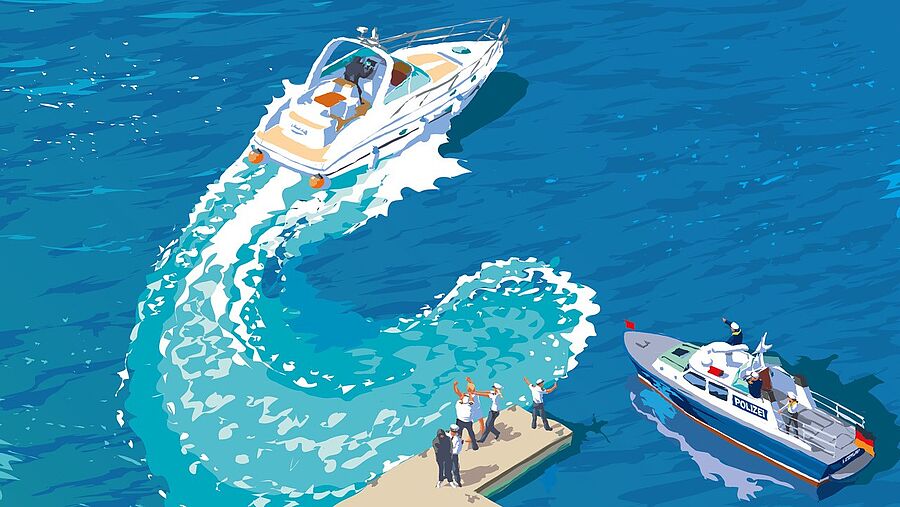
2. Grounding and Underwater Impact
Groundings, collisions with submerged objects and contact with the seabed can result in anything from minor cosmetic damage to serious structural issues.
Claims may involve hull repairs, keel or rudder inspection, propulsion damage or internal systems affected by impact. In many cases, surveyor involvement is often required to assess whether there is hidden damage beneath the surface.
Prompt reporting, avoiding further movement where possible and arranging professional inspection are all key steps in protecting both the boat and the claim.
3. Storm and Weather Damage
Storm damage is another situation that can lead to boat insurance claims.
Typical storm-related claims may involve mooring failures, damage to mast and rigging, torn covers and sails, water ingress or collision with other vessels or pontoons.
From an insurance perspective, the circumstances surrounding how a vessel was secured before a storm, including whether regular checks were carried out, may form part of the overall assessment of a claim.
4. Machinery Damage
Claims involving machinery or onboard systems can sometimes be complex. They may involve engines, gearboxes, steering systems, electrical components or other onboard equipment.
Over time, mechanical components naturally wear and require servicing or replacement as part of normal boat ownership. In some cases, the failure of a component can also lead to damage elsewhere on the vessel, and how insurance responds in these situations can vary depending on the policy.
Maintaining machinery in line with manufacturer recommendations and keeping appropriate service records can help ensure that any technical issues are assessed clearly and efficiently if a claim arises.
5. Fire and Explosion
Although less frequent, fire-related claims can be among the most serious and costly incidents affecting a vessel. Fires may originate from fuel systems, batteries, electrical faults or shore power connections.
In some cases, the damage extends beyond the insured vessel itself and can affect neighbouring boats, marina infrastructure or personal property.
Ensuring that a vessel’s value is correctly declared and that adequate third party liability cover is in place can be particularly important in these situations.
6. Liability and Third-Party Damage
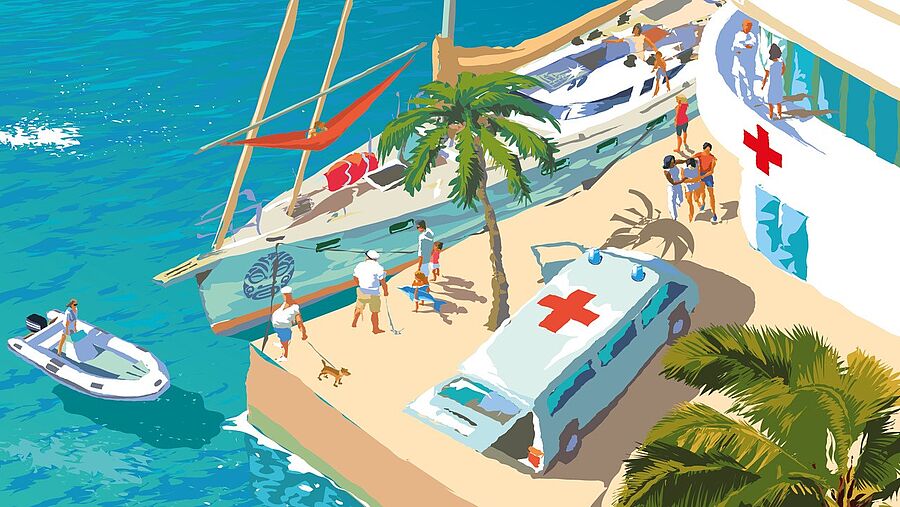
Not all claims involve damage to your own boat. Some arise when a boat owner becomes legally responsible for injury to other people or damage to third party property in connection with their ownership or use of their vessel. Liability claims may arise from berthing incidents, manoeuvring in marinas, towing situations, or accidents involving guests onboard. These types of incidents can involve multiple parties and may require careful investigation..
Understanding what your third party liability cover includes - and keeping insurers informed about how your boat is used - helps ensure that any incidents can be handled as smoothly as possible.
Why Preparation Matters
Across all claim types, a few common principles can make a difference:
- Keeping policy information accurate and up to date
- Informing your insurer of significant changes, such as new equipment, refits or changes in value
- Maintaining service records and documentation
- Reporting incidents promptly
- Taking reasonable steps to limit further damage after an incident
Boat insurance is ultimately tested not by a policy document alone, but by how effectively it supports owners when something unexpected happens. Understanding common claims scenarios, and how to prepare for them, is one of the most practical ways boat owners can protect themselves.
Taking the time to understand how your cover works in practice can make a significant difference if a claim arises.
If you’re unsure how your current cover would respond in any of these situations, it may be worth reviewing your policy wording and discussing it with your insurer.
The team at Pantaenius work closely with boat owners on a wide range of claims and can help explain how cover works in real boating scenarios.


