



This service is currently not available. Please try again later.
02/20/2026
Prevention | Winter storage
Winterising Your Boat: Practical Guidance for Winter Protection
Expert guidance from Pantaenius – global specialists in boat insurance
Many boat owners choose to continue boating throughout the winter months, enjoying quieter marinas and crisp sailing days.
Others prefer to haul out or fully lay up their boat ashore, using the winter period for maintenance and refit work.
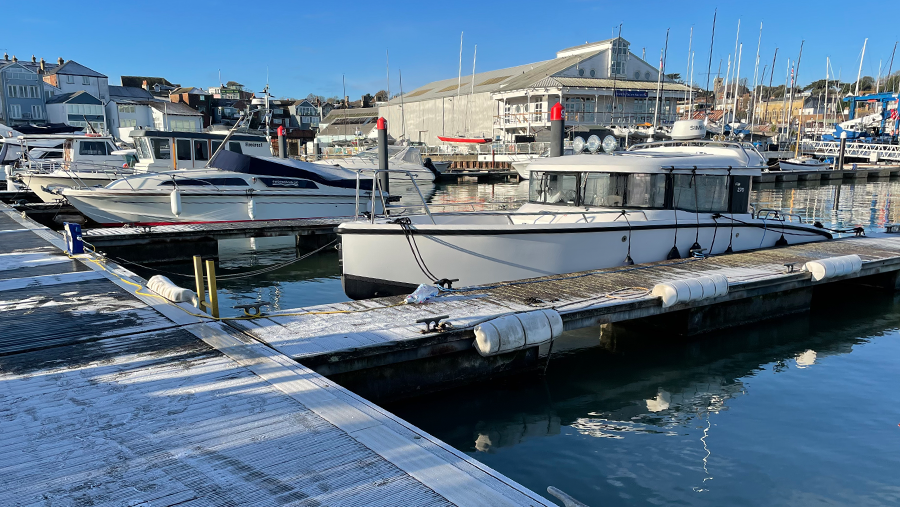
Whichever approach you take, winter presents increased risks. Cold temperatures, moisture, storms, and reduced usage can all place additional strain on a vessel. Careful preparation whether full winterisation or sensible seasonal precautions plays an important role in reducing avoidable damage.
A Pantaenius boat insurance policy provides year-round cover, whether your boat is afloat, ashore, sailing, or laid up. However, good risk management remains essential to protect your vessel and support a smooth return to the water in spring.
From decades of experience insuring boats, Pantaenius knows that thorough winter preparation significantly reduces the likelihood of:
- Frost damage
- Corrosion
- Battery failure
- Water ingress
- Storm-related losses
Understanding the Difference: Winterisation vs Winter Preparation
It is important to distinguish between:
Full Winterisation (Boat Not in Use)
Appropriate when:
- The boat is laid up ashore
- The engine will not be used for an extended period
- Systems are being shut down completely
This involves draining systems, protecting engines internally, removing batteries where appropriate, and fully securing the vessel.
Winter Preparation (Boat Remaining in Use)
Appropriate when:
- The boat remains afloat
- The engine will be used periodically
- Essential systems (e.g., bilge pumps) must remain operational
This focuses on protection, inspection, monitoring, and storm-readiness rather than full system shutdown.
The two approaches require different actions and confusion between them can create unnecessary risk.
Key Risk Areas During Winter
- Engine and fuel systems
- Batteries and electrical systems
- Plumbing and bilges
- Hull, deck and rigging
- Covers and moorings
- Insurance compliance
Engine and Fuel Systems
Engine preparation should always follow manufacturer guidance or be carried out by a competent marine professional.
Fuel Systems (All Engines)
Using a manufacturer-recommended fuel additive is widely regarded as beneficial. It may help:
- Reduce oxidation and corrosion
- Minimise condensation inside tanks
- Limit microbial growth (“diesel bug”) in diesel systems
Fuel tanks are often best kept full to reduce condensation, where appropriate
Outboard Engines
Many outboards are not fully winterised if the boat remains in occasional use, but good winter care is still important.
If the Engine Is Being Removed (Full Winterisation)
- Store securely under cover
- Keep upright and properly supported
- Alternatively, if left on the boat, ensure it is trimmed down to allow drainage
Typical winterisation may include:
- Draining or stabilising fuel
- Changing gear oil
- Lubricating cylinders and moving components
- Inspecting spark plugs
- Greasing propeller shaft and fittings
Some of these tasks are best carried out by a qualified marine engineer. Owners should avoid undertaking work beyond their competence.
Inboard Engines
For boats being laid up:
- Change engine oil and filters
- Flush cooling systems
- Add suitable biodegradable, non-toxic marine antifreeze (based on propylene glycol rather than more conventional ethylene glycol)
- Change transmission fluid at manufacturer-recommended intervals
- Apply fogging oil (where appropriate) to reduce internal corrosion
Before the next season:
- Inspect and replace depleted anodes on shafts, outboard legs or outdrives
For boats remaining in use, focus on servicing, antifreeze protection, and regular inspection rather than full shutdown.
Batteries and Electrical Systems
Battery failure is a common winter issue, particularly on boats left afloat.
For Boats Laid Up Ashore
Where practical:
- Remove batteries, especially where temperatures are likely to drop below 0°C (32F)
- Fully charge lead acid batteries (Flooded/AGM) before storage and charge to between 50-80% for most lithium chemistry batteries
- Check electrolyte levels (where applicable)
- Store in a cool, dry, ventilated location
Battery lifespan varies significantly depending on type, usage, and maintenance. Regular inspection and testing in line with manufacturer guidance is preferable to assuming a fixed replacement age.
For Boats Remaining Afloat
If batteries must remain onboard (for example, to power bilge pumps):
- Ensure charging systems are reliable
- Test bilge pumps regularly
- Monitor battery condition throughout winter
- Coat clean terminals with acid free petroleum jelly or marine grade terminal protector
Blocking exhaust outlets and air intakes may reduce moisture ingress during lay-up but must be clearly marked and removed before recommissioning.
Hull, Deck and Rigging
A thorough clean before winter is strongly recommended.
- Pressure wash hull and decks to remove salt
- Remove marine growth
- Apply appropriate protective treatments or waxes
- Wash ropes in mild detergent and rinse with fresh water and store under cover where possible
Seacocks
- Generally closed when afloat
- Open when ashore (once systems are drained), and clearly labelled before relaunch
Remove sails/sail covers and store dry having rinsed off any salt deposits thoroughly.
Allowing air and rainwater to reach anchor chain can help naturally clean it over winter.
Interior, Plumbing and Moisture Control
Moisture build-up is a frequent cause of winter damage.
- Remove soft furnishings where possible
- Clean lockers, drawers, refrigeration compartments
- Leave lockers ajar to improve airflow
Where shore power is available, a small dehumidifier on a timer can significantly reduce condensation. Otherwise, maximise natural ventilation.
Plumbing
For full winterisation:
- Drain systems completely
- Or protect with biodegradable antifreeze
Flush and sterilise water tanks appropriately.
Bilges
- Clean thoroughly
- Inspect for leaks
Test bilge pumps (particularly if the boat remains afloat)
Covers, Moorings and Storm Protection
Winter storms present a significant risk whether afloat or ashore.
- Secure cockpit covers properly
- Remove sprayhoods, dodgers, sails and sail covers where possible
- Ensure furling headsails are tightly secured
- Double up mooring lines for added redundancy
- Use adequate/additional fendering
A full inspection of onboard electrics before winter is advisable.
Insurance Considerations During Winter
From an insurer’s perspective, winter is when proactive risk management matters most.
Owners should ensure:
- Their policy remains active
- Insurers are informed of material changes (e.g., change of mooring, lay-up ashore, extended inactivity)
Many winter-related claims could be reduced through straightforward preparation and regular monitoring.
Preparing Now Prevents Problems Later
Even for owners continuing to use their boats, a structured winter check of onboard systems is strongly recommended.
Good winter preparation:
- Extends service life
- Preserves value
- Reduces unexpected spring recommissioning costs
- Minimises disruption to the next season
Addressing risks now is far preferable to dealing with preventable damage later.
Flexible Boat Insurance You Can Rely On
For flexible boat insurance tailored to how and where you use your boat, complete our online enquiry form.
Prefer to speak to someone directly? Call our team on 01752 223656 and we’ll be happy to help.
Frequently Asked Questions About Winterising a BoatDo I need to winterise my boat if I still plan to use it?
Not necessarily. If you intend to continue using your boat throughout winter, full winterisation may not be appropriate. Instead, focus on winter preparation including antifreeze protection, battery monitoring, storm readiness, and regular inspections. The key difference is whether systems are being shut down completely or kept operational.
Can I leave my boat in the water over winter?
Yes, many boats remain afloat throughout winter. However, leaving a boat in the water increases the importance of monitoring bilge pumps, batteries, mooring lines, and seacocks. Regular checks are strongly recommended, particularly during periods of freezing temperatures or severe weather.
How often should I check my boat during winter?
Boats left afloat should be inspected regularly, particularly after storms or extended cold spells. Even boats laid up ashore benefit from periodic checks to ensure covers remain secure and no signs of damage or moisture issues have occurred.
Should I leave fuel tanks full or empty for winter?
In most cases, keeping fuel tanks full can help reduce condensation inside the tank, which may lower the risk of corrosion and microbial growth. A manufacturer-approved fuel stabiliser is often recommended, particularly for longer periods of inactivity.
What is the difference between winterisation and winter preparation?
Winterisation generally refers to fully shutting down and protecting onboard systems for extended non-use, including draining water systems and protecting engines internally. Winter preparation, by contrast, applies to boats that remain in occasional use and focuses on inspection, antifreeze protection, and storm security rather than full system shutdown.
Does boat insurance cover winter damage?
Boat insurance typically provides cover for accidental physical loss or damage, subject to the policy terms, conditions and exclusions. Whether a specific winter-related incident is covered will depend on the circumstances and compliance with policy requirements, including reasonable maintenance and care.
What are the most common winter boat insurance claims?
From an insurer’s perspective, winter claims often arise from severe weather, freezing temperatures, equipment failure, or lack of regular monitoring during periods of reduced use. Storm damage, machinery issues, and incidents that occur while a boat is unattended for extended periods are among the more frequent causes of loss.
While comprehensive boat insurance provides broad protection, policies are subject to terms, conditions and exclusions. Preventative maintenance, reasonable care, and regular inspections remain essential to reduce the likelihood of winter-related incidents and potential uninsured losses.
Do I need to winterise my boat if I still plan to use it?
Not necessarily. If you intend to continue using your boat throughout winter, full winterisation may not be appropriate. Instead, focus on winter preparation including antifreeze protection, battery monitoring, storm readiness, and regular inspections. The key difference is whether systems are being shut down completely or kept operational.
Can I leave my boat in the water over winter?
Yes, many boats remain afloat throughout winter. However, leaving a boat in the water increases the importance of monitoring bilge pumps, batteries, mooring lines, and seacocks. Regular checks are strongly recommended, particularly during periods of freezing temperatures or severe weather.
How often should I check my boat during winter?
Boats left afloat should be inspected regularly, particularly after storms or extended cold spells. Even boats laid up ashore benefit from periodic checks to ensure covers remain secure and no signs of damage or moisture issues have occurred.
Should I leave fuel tanks full or empty for winter?
In most cases, keeping fuel tanks full can help reduce condensation inside the tank, which may lower the risk of corrosion and microbial growth. A manufacturer-approved fuel stabiliser is often recommended, particularly for longer periods of inactivity.
What is the difference between winterisation and winter preparation?
Winterisation generally refers to fully shutting down and protecting onboard systems for extended non-use, including draining water systems and protecting engines internally. Winter preparation, by contrast, applies to boats that remain in occasional use and focuses on inspection, antifreeze protection, and storm security rather than full system shutdown.
Does boat insurance cover winter damage?
Boat insurance typically provides cover for accidental physical loss or damage, subject to the policy terms, conditions and exclusions. Whether a specific winter-related incident is covered will depend on the circumstances and compliance with policy requirements, including reasonable maintenance and care.
What are the most common winter boat insurance claims?
From an insurer’s perspective, winter claims often arise from severe weather, freezing temperatures, equipment failure, or lack of regular monitoring during periods of reduced use. Storm damage, machinery issues, and incidents that occur while a boat is unattended for extended periods are among the more frequent causes of loss.
While comprehensive boat insurance provides broad protection, policies are subject to terms, conditions and exclusions. Preventative maintenance, reasonable care, and regular inspections remain essential to reduce the likelihood of winter-related incidents and potential uninsured losses.